Specialty Services

Precision Periodontal and Implant Treatments
Tooth Removal and Bone Grafting

Sometimes a tooth is too damaged or infected to be restored. In these cases, removing the tooth helps protect the surrounding teeth and overall health of your mouth.

After a tooth is removed, the bone that once supported it can begin to shrink over time. A bone graft is a simple procedure that helps preserve that area by adding material where the tooth was, allowing your body to maintain healthy bone structure.

This not only supports healing, but also keeps future options—like dental implants—open and predictable. Our team will guide you through the process and ensure you feel informed, comfortable, and cared for every step of the way.

When a tooth needs to be removed, our approach is centered on precision, comfort, and long-term outcomes. Using gentle, minimally invasive techniques, we ensure your experience is as smooth and comfortable as possible, with sedation options available for added ease.

When a functional tooth is removed, the surrounding bone naturally begins to shrink and remodel. Over time, this can impact chewing, the position of neighboring teeth, and your ability to restore the area in the future.To protect against this, we often recommend bone grafting at the time of extraction. This proactive step helps stabilize the area, preserve the natural contours of your jaw, and maintain a strong foundation—making future treatment, such as dental implants, more predictable and less invasive.

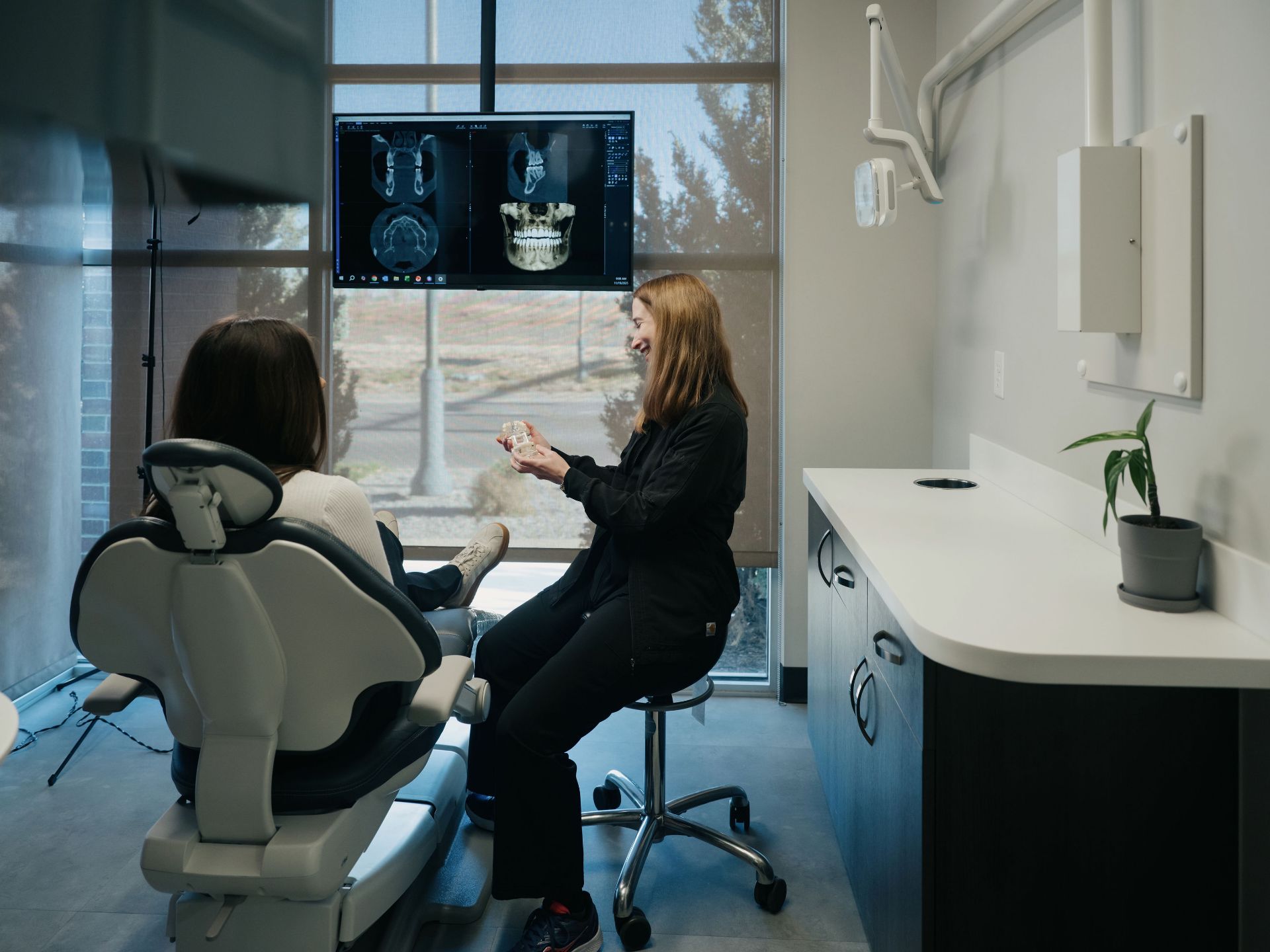
Healing occurs gradually over the following months as the graft integrates and new bone forms. Once healing is complete, we use advanced 3D imaging to evaluate the area and thoughtfully plan next steps, if needed.Every aspect of your care is personalized, and our team is here to ensure you feel informed, confident, and exceptionally well cared for throughout your experience.

Gum
Treatment and Microsurgery

Our doctors are trained in advanced periodontal plastic surgery, using minimally invasive techniques and high magnification for precision. Whether restoring lost tissue or enhancing esthetics, we approach each case with a careful eye and commitment to natural, healthy outcomes. Your smile should look as good as it feels.

Gums are the foundation of a healthy smile. They help protect the roots of your teeth, preserve bone, and play a critical role in esthetics. When gums recede, it can lead to sensitivity, root exposure, and a longer or uneven appearance of your teeth. Gum recession can occur for many reasons, including periodontal disease, brushing too hard, or natural changes in your anatomy over time.

Gum grafting is a microsurgical procedure that restores lost gum tissue and helps protect the teeth. Depending on your needs, grafting can be done using tissue from your own palate or using donated, processed graft material. Both methods are effective, and we’ll help you choose the right approach for your situation. We use advanced techniques and biologics to promote faster healing and reduce post-operative discomfort.

In other cases, patients may feel that their smile shows too much gum tissue, which can make the teeth appear shorter or unbalanced. Gingival recontouring is a precise surgical procedure that reshapes the gumline to improve symmetry and tooth proportions. In some situations, we may adjust the underlying bone to ensure the results are stable and long-lasting.

Periodontal Disease

Periodontal disease is a chronic inflammatory condition that affects the gums and bone supporting your teeth. It often develops quietly, without pain, and can go unnoticed until significant damage has occurred. Common signs include bleeding gums, bad breath, gum recession, and loose teeth. If left untreated, periodontal disease is the leading cause of adult tooth loss.

The earliest stage of periodontal disease, gingivitis, is caused by plaque buildup and can usually be reversed with improved home care and professional cleanings. As the disease progresses, bacteria begin to affect the deeper structures around the teeth, including the bone. When this happens, more specialized care is needed to stop the progression and stabilize your oral health.

Nonsurgical periodontal therapy, often referred to as deep cleaning or scaling and root planing, is typically the first step. This treatment removes plaque and calculus below the gumline and smooths the root surfaces to discourage further bacterial buildup. In some cases, we may use localized antibiotics or laser therapy to support healing. This procedure is done comfortably under local anesthesia and typically completed in two visits.

If the disease is more advanced or doesn’t fully respond to nonsurgical treatment, periodontal surgery may be recommended. Surgical therapy allows us to clean deeper areas that cannot be accessed otherwise and reshape the bone to create a more maintainable environment. Our goal is always to preserve your natural teeth whenever possible, and we tailor your treatment plan based on your specific diagnosis, anatomy, and risk factors.

Laser Therapy

Our practice is proud to offer laser-based periodontal therapy using the Fotona LightWalker® laser. This state-of-the-art technology allows us to treat gum and bone infections with enhanced precision and minimal discomfort. Laser therapy is especially helpful in managing certain cases of periodontal disease and peri-implantitis—disease around dental implants.

The process begins with a thorough diagnostic workup. We take a 3D scan (CBCT) of your jaw to evaluate bone quality, available space, and anatomy. Based on your needs, we may recommend bone and gum grafting procedures before, during, or after implant placement to ensure proper support. These preparatory steps help create a solid foundation and improve long-term outcomes.

Implant placement is a precise surgical procedure done under local anesthesia, sometimes with sedation. During surgery, the implant is placed into the bone and allowed to heal over several months. In some cases, the implant is buried under the gum tissue; in others, a small healing cap is visible. If buried, a second brief procedure is needed later to uncover the implant and begin the final restoration phase.

Healing typically takes three to six months, depending on bone quality and whether grafting was performed. Once the implant is fully integrated, your general dentist will attach the crown. With good oral hygiene and regular professional maintenance, dental implants can last for many years. We are also experienced in treating implant complications, such as inflammation or bone loss around existing implants, and offer both preventive and corrective care.

Sedation Options

We understand that dental procedures, especially surgical ones, can cause anxiety or discomfort. That’s why we offer several forms of sedation to help you feel calm, comfortable, and confident throughout your treatment. Our goal is to provide a safe, controlled experience tailored to your individual needs and preferences.

For mild anxiety, nitrous oxide (commonly known as “laughing gas”) can be administered in combination with oxygen. This form of minimal sedation helps you relax while staying fully awake and aware. The effects wear off quickly, and in most cases, you can drive yourself home afterward.

For patients who need a deeper level of relaxation, we offer moderate sedation using either oral medication or intravenous (IV) delivery. Both methods are designed to reduce awareness and discomfort while keeping you responsive and breathing on your own. You may feel sleepy or not remember the procedure at all. Our doctors are trained in advanced sedation techniques and emergency management, and we closely monitor your vitals throughout the entire process.

If you choose moderate sedation, you will need a responsible adult to drive you to and from the appointment and stay with you afterward. We provide clear pre- and post-operative instructions to help you prepare and recover smoothly. Whether your anxiety is mild or significant, we are here to help you feel safe, supported, and in control of your care.

New patient?

Contact us today to set up an appointment.

SCHEDULE an APPOINTMENT

Referring doctor?

We’d love to help you serve your patients.

Refer A Patient

Connect
with us

wE CAN’T WAIT TO MEET YOU

Call 720.703.9116 or request an appointment online to set up your first visit. We’ll be in touch soon.

hours & locations
For Referring Doctors